✓
Entry doors
Interior entry glass and door hardware are high-visibility touchpoints. Cleaning can address fingerprints, smears, dust, and the marks that collect through regular use.
Serving Boston, Massachusetts & surrounding areas
Mon–Fri 8am–6pm · Sat 9am–2pm
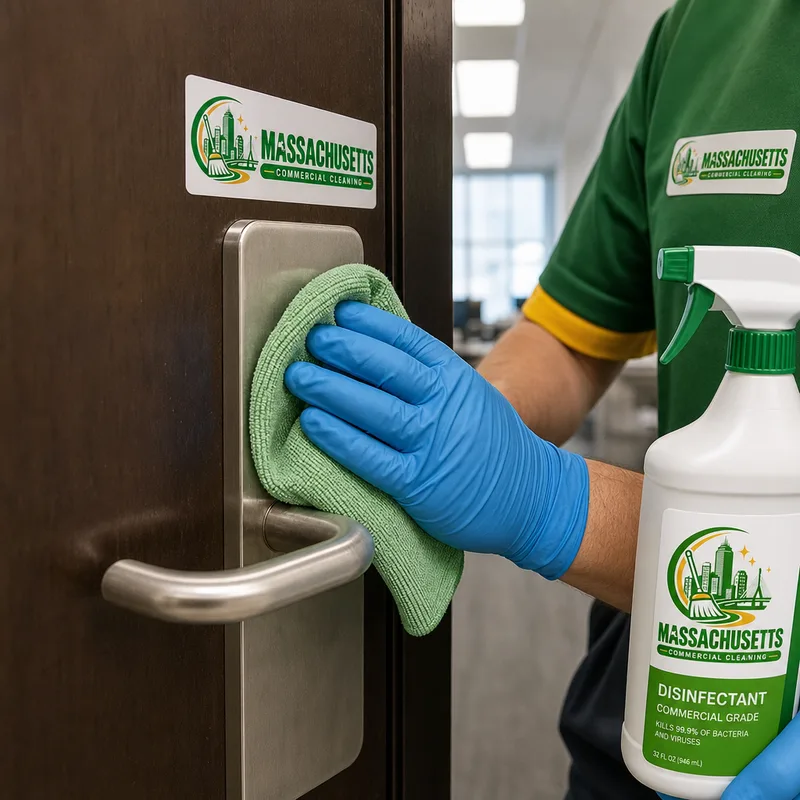
Glass shows fingerprints, haze, splash marks, and dust quickly, especially at entries and shared spaces. Our commercial window cleaning scopes focus on the interior glass surfaces your team and visitors see every day.
Interior glass affects how a commercial space feels before anyone notices the rest of the room. Entry doors, reception glass, conference partitions, and sidelights can collect fingerprints, haze, dust, and marks that routine cleaning does not always remove evenly.
Massachusetts Commercial Cleaning plans window cleaning around the glass surfaces in your facility and the access required to clean them safely and consistently. The walkthrough distinguishes high-visibility glass from periodic detail areas, then sets a scope that works with your business hours and building procedures.
Serving commercial facilities from Boston, we can include interior windows, glass doors, partitions, frames, and adjacent touchpoints in a project-based plan. Your written scope confirms which glass is included, the condition being addressed, and any access limitations before the work begins.
Interior entry glass and door hardware are high-visibility touchpoints. Cleaning can address fingerprints, smears, dust, and the marks that collect through regular use.
Reception partitions, sidelights, and interior windows shape first impressions. A defined scope keeps these surfaces from being treated as an occasional afterthought.
Glass walls and doors in meeting spaces can show handprints, haze, and writing residue. Detail cleaning helps the room look ready for its next use.
Interior window panes, frames, and accessible sills can be included according to the areas you want cleaned and the access the building allows.
Shared-space dividers often collect marks at hand level. The scope can set a frequency for the areas that need regular attention and a separate schedule for details.
A clear pane looks unfinished when frames and lower edges retain dust. The project plan considers the accessible surrounding details that affect the finished result.
Most offices want a core routine that keeps the space presentable daily, plus deeper tasks scheduled weekly or monthly. Your scope can be built around your suite size, the number of restrooms, and how heavily kitchens and conference rooms are used.
Common items in a Boston office cleaning scope include:
For multi-tenant buildings around 263 Summer St and similar commercial corridors, we also plan for practical constraints like where waste can be staged, what entrances are allowed after hours, and how deliveries and access are handled by property management.
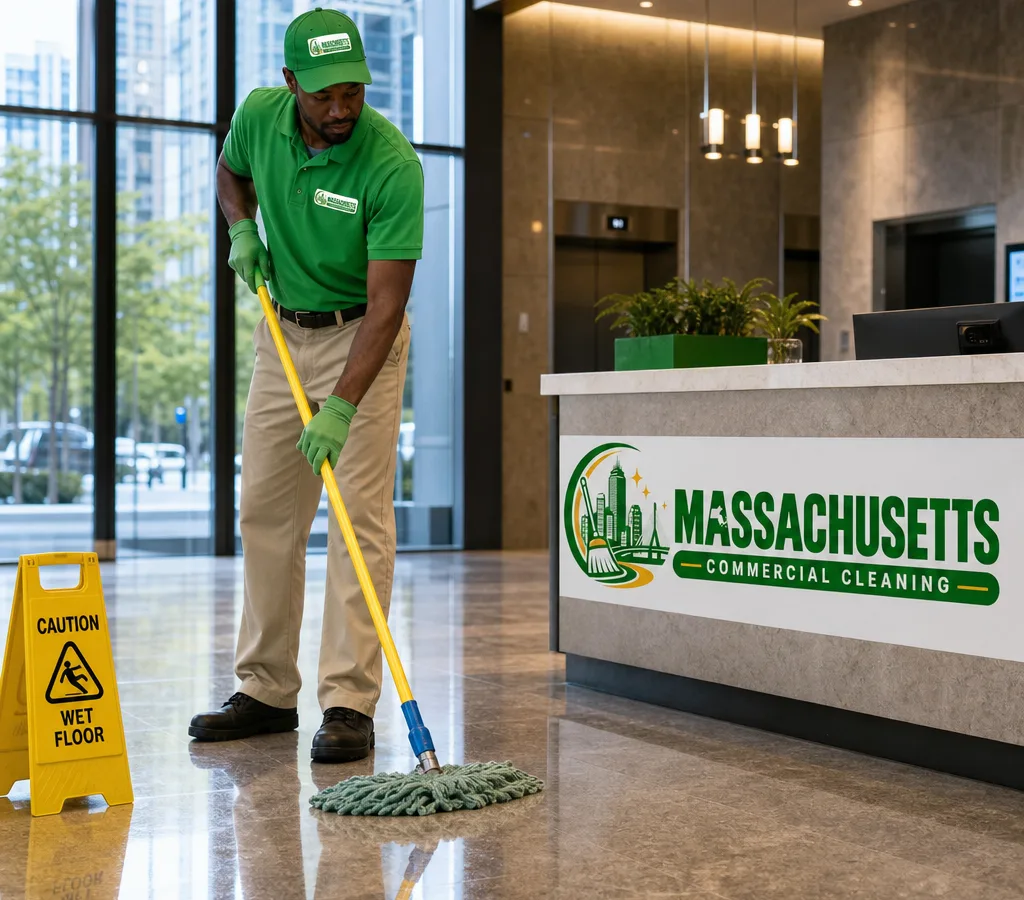
We turn your workspace priorities, operating hours, and building requirements into a documented cleaning routine.
We walk the property with you to identify entry doors, partitions, interior windows, and other accessible glass that needs attention or recurring maintenance.
Fingerprints, haze, dust, splash marks, frames, and edges are reviewed so the scope reflects the issue your team wants resolved in each area.
The cleaning window is coordinated around room use, visitor activity, entry procedures, and any building directions that affect how the glass can be reached.
Service follows the agreed glass list and related details. Once the project is complete, you can decide whether recurring attention makes sense for high-touch surfaces.
Routine commercial cleaning in Boston often falls around $0.12 to $0.35 per square foot, with small offices around $300 to $900 per month and larger facilities around $1,500 to $6,000+ per month. Those numbers apply to recurring commercial service and are not a window-cleaning project rate.
Commercial window cleaning is quoted per project after a walkthrough. The amount of glass, accessibility, visible condition, surrounding frames, work timing, and the areas included all determine the written scope and final price.
A project can include accessible interior windows, entry doors, reception glass, partitions, conference-room glass, frames, and sills. The walkthrough creates a specific list of the surfaces you want addressed, which is more useful than assuming every glass surface has the same visibility or access needs.
It can be included in a recurring scope for high-touch doors and priority glass, while broader window cleaning is often handled as a focused project. The plan distinguishes which surfaces receive frequent attention and which are scheduled for periodic detail work based on how they are used.
We discuss the rooms, entryways, and hours that need to remain available, then set the work window around those conditions. Clear access instructions and a defined glass list help the crew complete the scope without moving through occupied spaces unnecessarily.
Accessible frames, lower edges, and sills can be included when they affect the appearance of the glass area. When we review the property, adjacent details are listed so the scope reflects the finished look your facility expects rather than addressing the pane alone.
The price depends on the amount and condition of glass, accessibility, the interior areas included, timing, and whether frames or related details are part of the scope. Those variables require a project walkthrough, so final pricing is confirmed after the written plan is prepared.
Yes, entries, reception doors, and frequently used partitions can be considered for recurring service if they show fingerprints or haze quickly. The recurring plan is built around the specific high-visibility surfaces your facility wants kept at a consistent standard.
List the interior glass surfaces that need attention, the property access window, and the result your team wants to improve. We will define the project scope and confirm pricing after the walkthrough.
Request a quote
Send the details and we will follow up to arrange a walkthrough and a written scope.