✓
Entry and threshold
Door glass, handles, mats, interior floors, trash, and reachable trim are the first details a visitor encounters. A set routine keeps the entrance from carrying yesterday's traffic into the new day.
Serving Boston, Massachusetts & surrounding areas
Mon–Fri 8am–6pm · Sat 9am–2pm
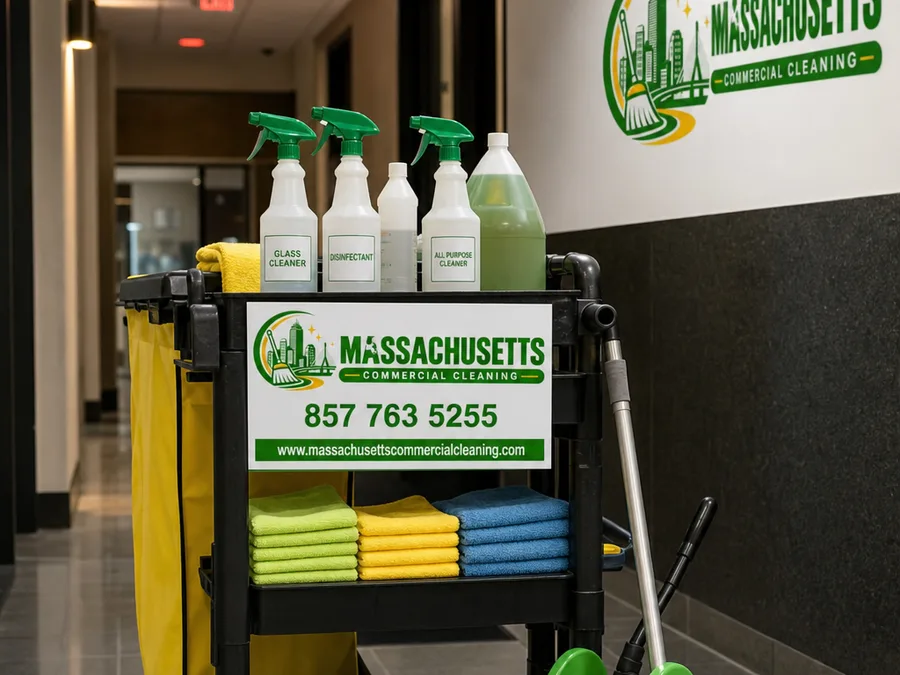
A business that opens its doors each day needs the entry, reception spaces, restrooms, and work rooms ready on its own schedule. That day-to-day rhythm informs the recurring plan before service begins.
The appearance of a commercial property is often set before the first appointment, delivery, or meeting begins. A clear entry, orderly reception area, clean restroom, and cared-for floor tell visitors that the business is attentive to its space. Those visible rooms need a reliable routine, not occasional attention.
Quincy offices and professional facilities may have a mix of front rooms, private work areas, meeting spaces, employee break rooms, and storage. The cleaning plan should follow the difference between a room that is open to visitors and a room used only by staff, while keeping both parts of the property covered.
Service comes from Massachusetts Commercial Cleaning's Boston location. The site review looks at entry conditions, opening-day priority rooms, staff-only areas, floor transitions, building access, and closeout instructions. Those observations set the schedule and written scope.
Door glass, handles, mats, interior floors, trash, and reachable trim are the first details a visitor encounters. A set routine keeps the entrance from carrying yesterday's traffic into the new day.
Counters, seating areas, accessible glass, touchpoints, waste points, and nearby floors can be included according to how reception is used and when the area is clear for service.
Meeting schedules can determine tasks for tables, chairs, accessible surfaces, trash, glass, and floors. Listing the room separately avoids losing it between general office coverage.
A visitor restroom routine can follow the sink counter, mirror, dispensers, waste, door touchpoints, accessible partitions, and floor edges. Service timing reflects public hours and actual room use.
Employee kitchens and break rooms need tasks for counters, sinks, appliance exteriors, tables, trash, and floors. Their routine can be planned around the time staff leave the space available.
Approved offices can receive recurring care for accessible surfaces, waste, meeting furniture, and floors. The written scope records which rooms are included and when entry is authorized.
Most offices want a core routine that keeps the space presentable daily, plus deeper tasks scheduled weekly or monthly. Your scope can be built around your suite size, the number of restrooms, and how heavily kitchens and conference rooms are used.
Common items in a Boston office cleaning scope include:
For multi-tenant buildings around 263 Summer St and similar commercial corridors, we also plan for practical constraints like where waste can be staged, what entrances are allowed after hours, and how deliveries and access are handled by property management.
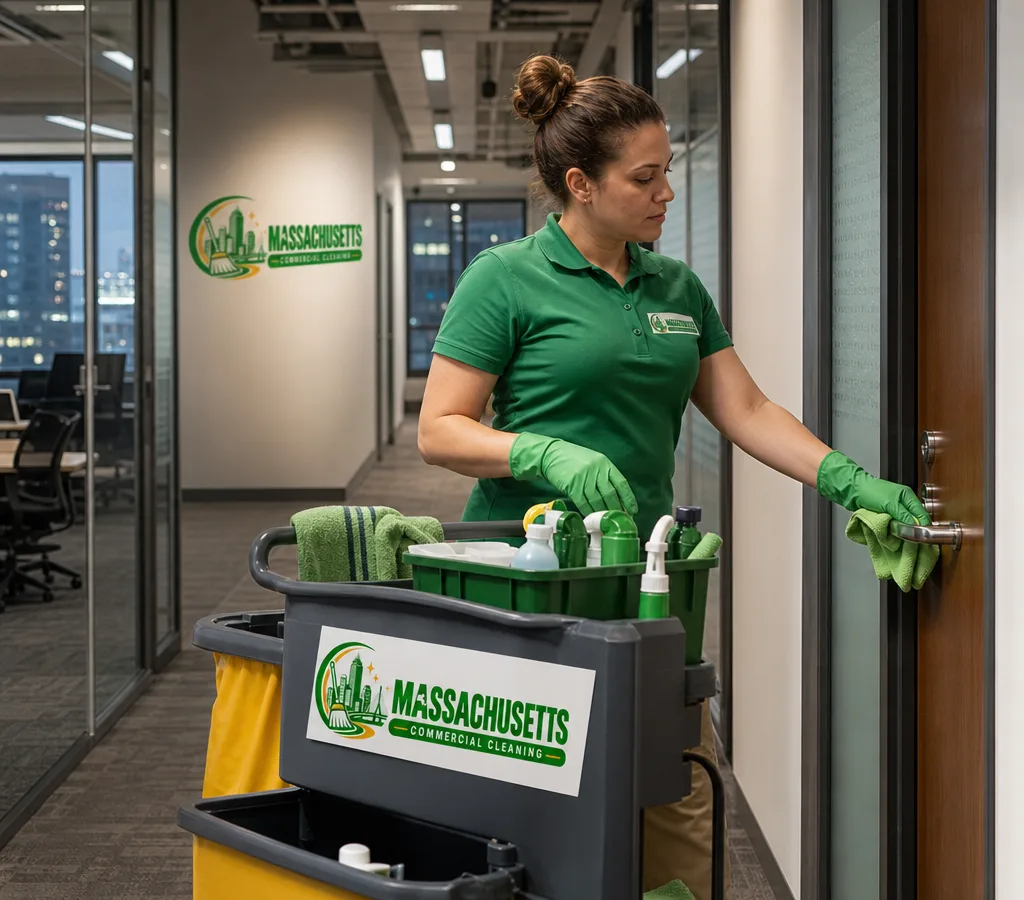
We turn your workspace priorities, operating hours, and building requirements into a documented cleaning routine.
Reception, waiting areas, visitor restrooms, and meeting rooms are considered immediately after the entrance. This identifies the details that need a dependable ready-to-open condition.
Staff spaces, private offices, kitchenettes, and storage approaches are added with their approved access and cleaning priorities. Each room is defined by use rather than treated as a generic office area.
The property contact provides the service window, entry method, alarm steps, trash direction, and lockup procedure. These practical details are resolved before the recurring calendar is finalized.
If meeting patterns, visitor use, office access, or closing procedures change, the written scope can change with them. The routine stays connected to the way the business now operates.
For a recurring business routine, the published range is about $0.12 to $0.35 per square foot. Smaller offices are often around $300 to $900 per month, and larger facilities are often around $1,500 to $6,000+ per month. A property review is required before a specific monthly figure is set.
For a business with visitor-facing rooms, the quote depends on the entry and reception work, restroom traffic, private-office coverage, floor conditions, access steps, closeout procedure, and selected service window. Seeing those rooms together allows the recurring scope and final price to be matched.
The usual starting point is the visitor route: entrance, reception or waiting area, customer restroom, meeting rooms, and the floors between them. The site review shows which of those rooms are part of your property and what condition they need at opening. Staff areas can be added as separate priorities.
Yes. The service window is based on when rooms are available, along with the entry instructions and building rules that apply. Meeting spaces, reception rooms, and private offices can be scheduled in a sequence that reflects the hours you provide rather than interrupting occupied areas.
The written scope lists the offices to be serviced, what tasks belong in each, and when access is authorized. Accessible surfaces, trash, floors, and meeting furniture can be covered without assuming that every work area is available on every visit.
The property provides the closeout requirements before service begins. Those may include waste handling, alarm steps, key return, lights, entry doors, and lockup instructions. Including them in the plan lets the visit end according to the way the business manages its space.
An entrance collects the traffic, moisture, and debris that visitors carry into the building. Door glass, mats, floor edges, handles, and nearby waste points can need more frequent attention than rooms farther inside. Identifying that route gives the recurring scope a practical starting point.
The final amount is set after the site review identifies the rooms, cleaning tasks, floors, restroom use, access requirements, closing steps, and preferred schedule. That review makes it possible to connect the monthly price to the actual coverage the property needs.
Describe the rooms visitors use, the staff areas that need coverage, and the hours available after closing. Your business details will guide a clear recurring scope and confirmed price after the walkthrough.
Request a quote
Send the details and we will follow up to arrange a walkthrough and a written scope.