✓
Classrooms
Reachable desks, tables, door hardware, floors, trash, and the surfaces your facility identifies can be organized around when each classroom is vacant and available.
Serving Boston, Massachusetts & surrounding areas
Mon–Fri 8am–6pm · Sat 9am–2pm
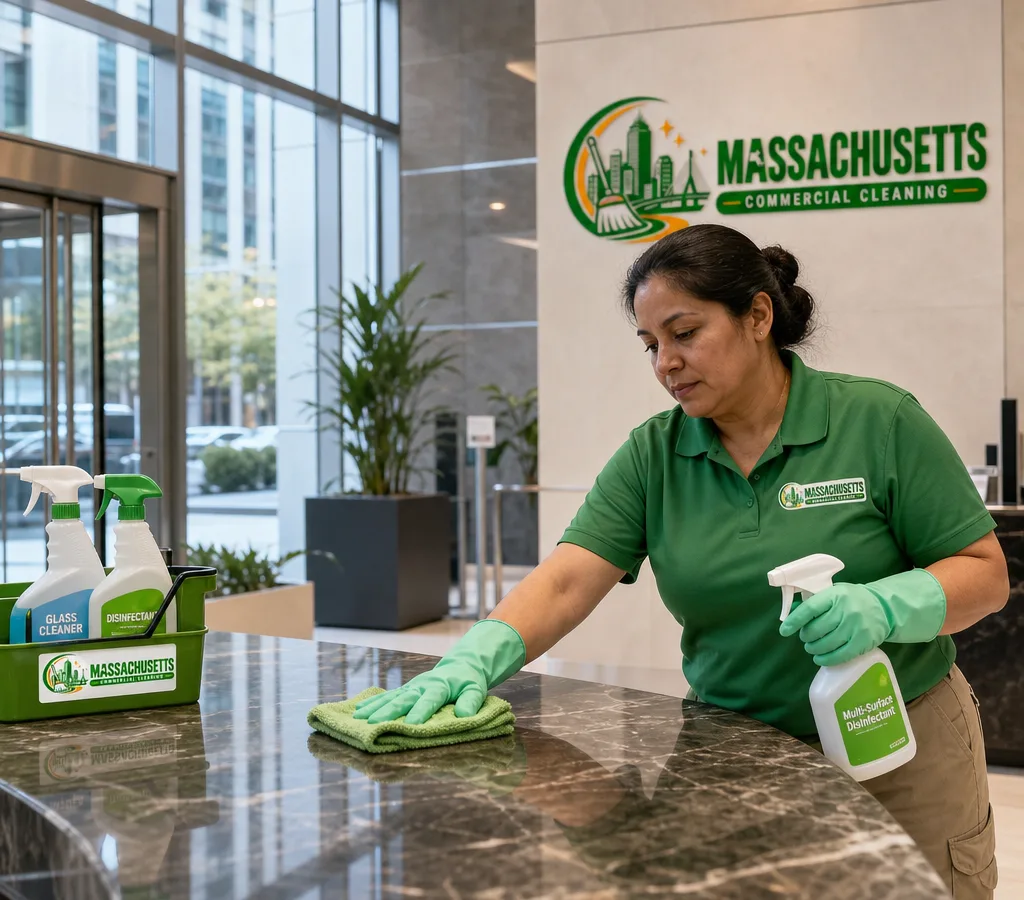
Classrooms, activity rooms, restrooms, and entries see heavy daily use, often while children and staff are still in the building. Room occupancy, shared touchpoints, floor traffic, and your facility's instructions organize the work.
A school or daycare changes pace throughout the day. Arrival brings entry-floor traffic, classrooms carry shared use, restrooms see repeated volume, and activity spaces can only be accessed at certain times. A cleaning plan has to fit around those conditions rather than compete with them.
Occupied rooms, open hallways, and the materials staff needs protected or left undisturbed guide the plan from the start. Your facility provides the directions for access, approved products, room-specific requirements, and any materials that require special handling.
For Boston educational spaces, a written scope can separate classrooms, shared rooms, restrooms, staff areas, entrances, and periodic detail tasks. That structure gives administrators a routine tied to how the building is used, with timing that accounts for children, staff, and scheduled activities.
Reachable desks, tables, door hardware, floors, trash, and the surfaces your facility identifies can be organized around when each classroom is vacant and available.
Multi-use rooms and play areas have changing setups and access limits. The scope can define the reachable surfaces, floors, and timing that fit the room's schedule.
Student restrooms need attention to fixture rows, floor edges, waste, dispensers, and the repeated use that builds up across a full school day.
Exterior debris, backpacks, shoes, and daily movement show up at thresholds and primary routes. Regular floor care keeps those shared transitions from carrying soil farther inside.
Break areas, offices, staff restrooms, and approved workspaces can have a separate routine for counters, sinks, tables, trash, appliance exteriors, and floors.
Doors, rails, switches, fountains, and other accessible shared features can be identified by your facility as part of the task list for high-use common areas.
Most offices want a core routine that keeps the space presentable daily, plus deeper tasks scheduled weekly or monthly. Your scope can be built around your suite size, the number of restrooms, and how heavily kitchens and conference rooms are used.
Common items in a Boston office cleaning scope include:
For multi-tenant buildings around 263 Summer St and similar commercial corridors, we also plan for practical constraints like where waste can be staged, what entrances are allowed after hours, and how deliveries and access are handled by property management.
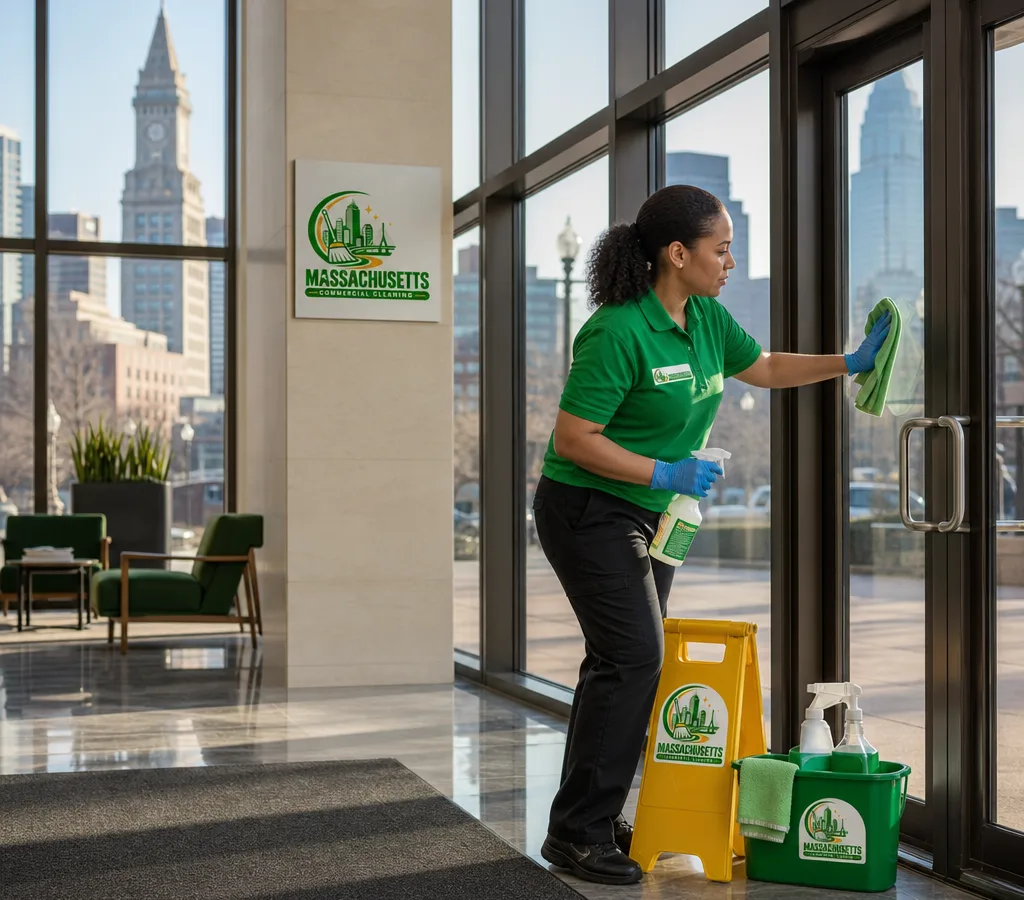
We turn your workspace priorities, operating hours, and building requirements into a documented cleaning routine.
Administrators show us the arrival routes, occupied rooms, restrooms, staff areas, common spaces, and the times those locations can be accessed without disrupting activities.
Your team provides room restrictions, approved products, locked-area procedures, and any directions for classroom materials or shared spaces before service is arranged.
Dismissal, after-school activity, staff use, or another available period determines when the crew can work through the agreed rooms in order.
The recurring checklist gives staff and the cleaning crew the same reference point. It can change when room use, enrollment patterns, or building procedures change.
Recurring commercial cleaning for Boston schools and daycares is often discussed at about $0.12 to $0.35 per square foot. A smaller school or daycare may be around $300 to $900 per month, and larger facilities may be around $1,500 to $6,000+ per month, depending on frequency and scope.
Classroom count, occupied-room access, restroom demand, floor condition, shared areas, staff instructions, and the available cleaning window all influence the recurring plan. Locker rooms and classroom access establish the tasks and conditions that support the final recurring price for your building.
Your facility decides which rooms can be accessed and when. The plan can use after-hours, dismissal, activity-period, or other approved windows based on your building's schedule. Room restrictions and staff directions are documented before service starts so the crew follows the access you provide.
Restroom coverage is defined around the fixtures, sinks, mirrors, partitions, dispensers, waste, and floors in your facility. Traffic patterns and the desired frequency are reviewed during the walkthrough, helping the plan reflect actual student and staff use rather than a generic schedule.
The school or daycare identifies the reachable surfaces and shared touchpoints that belong in the cleaning plan, along with any approved product directions. Classrooms differ in layout and materials, so the written scope follows your staff's instructions for each type of room.
After-school activities, staff meetings, and building use are reviewed during the site visit. Your team indicates the rooms that remain occupied and the times access opens up, allowing the cleaning sequence to fit the facilities that are actually available.
They can be. Entry mats, thresholds, corridors, doors, rails, and the nearby floor paths often carry the day's highest volume of outdoor debris and student traffic. The scope can include those shared routes alongside classrooms and restrooms.
Yes. Staff offices, break rooms, staff restrooms, and approved work areas can be listed separately from classroom coverage. That distinction makes the written plan easier to follow and lets the service reflect the different use and access rules for each area.
Tell us when rooms are occupied, which shared spaces need attention, and what access directions your staff uses. A walkthrough will define the recurring cleaning scope and confirm pricing for the schedule that fits your building.
Request a quote
Send the details and we will follow up to arrange a walkthrough and a written scope.