✓
Receiving approaches
Doors, adjacent floors, accessible ledges, and traffic paths near receiving points can collect loose debris first. The scope can give these transition areas a planned routine before material travels farther inside.
Serving Boston, Massachusetts & surrounding areas
Mon–Fri 8am–6pm · Sat 9am–2pm
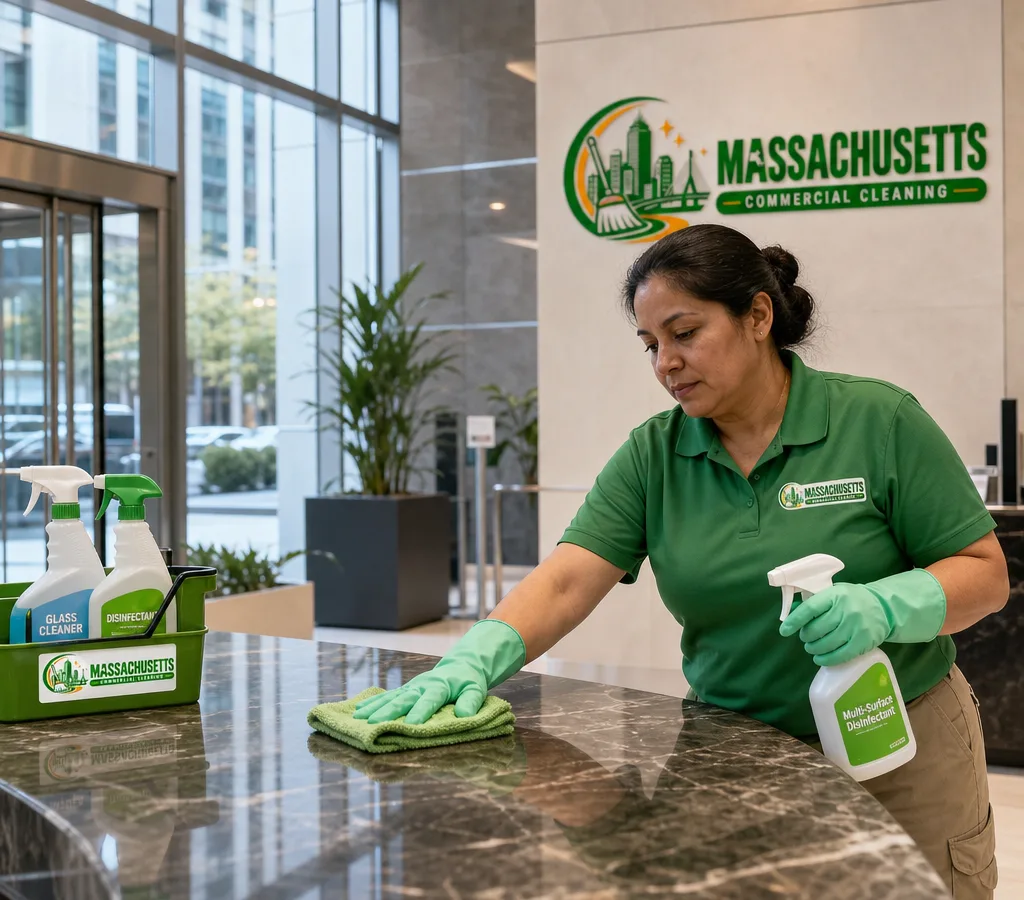
Workspaces with office, storage, and receiving functions need a plan that follows material flow as well as foot traffic. Dock-side movement, interior routes, and employee rooms determine where the recurring routine gives attention through the workday.
A facility with offices, storage rooms, work areas, and receiving activity does not show dirt in one predictable place. Debris can begin at a door or loading point, move along a traffic lane, and appear again in restrooms, break rooms, and administrative spaces. The cleaning route needs to reflect that flow.
Lowell commercial properties may need recurring care for a front office while another part of the building handles inventory, equipment, or deliveries. Keeping those functions separate in the scope helps the crew focus on the surfaces, floors, waste points, and access boundaries that apply to each area.
Massachusetts Commercial Cleaning serves working facilities from Boston after a property review. The review identifies work zones, accessible storage or receiving areas, occupied rooms, building rules, and the best window for cleaning without disrupting the day's activity.
Doors, adjacent floors, accessible ledges, and traffic paths near receiving points can collect loose debris first. The scope can give these transition areas a planned routine before material travels farther inside.
Administrative rooms benefit from a task list that covers accessible surfaces, trash, floors, meeting areas, and touchpoints without treating workstations as open access by default.
Accessible floor lanes and perimeter areas in storage space can be included when they are safe to reach and identified during the walkthrough. The plan records the boundaries for each visit.
Staff facilities are planned around shift use, door touchpoints, sinks, mirrors, waste points, dispensers, accessible partitions, and floors. That task list remains separate from the work in adjacent operational areas.
Counters, tables, sink areas, appliance exteriors, trash, and floor conditions are common recurring priorities. A written list prevents shared employee rooms from being overlooked when schedules are busy.
Doorways between office, storage, and work areas often reveal tracked-in soil and edge buildup. Attention at those changes helps the facility look more consistently maintained from one zone to the next.
Most offices want a core routine that keeps the space presentable daily, plus deeper tasks scheduled weekly or monthly. Your scope can be built around your suite size, the number of restrooms, and how heavily kitchens and conference rooms are used.
Common items in a Boston office cleaning scope include:
For multi-tenant buildings around 263 Summer St and similar commercial corridors, we also plan for practical constraints like where waste can be staged, what entrances are allowed after hours, and how deliveries and access are handled by property management.
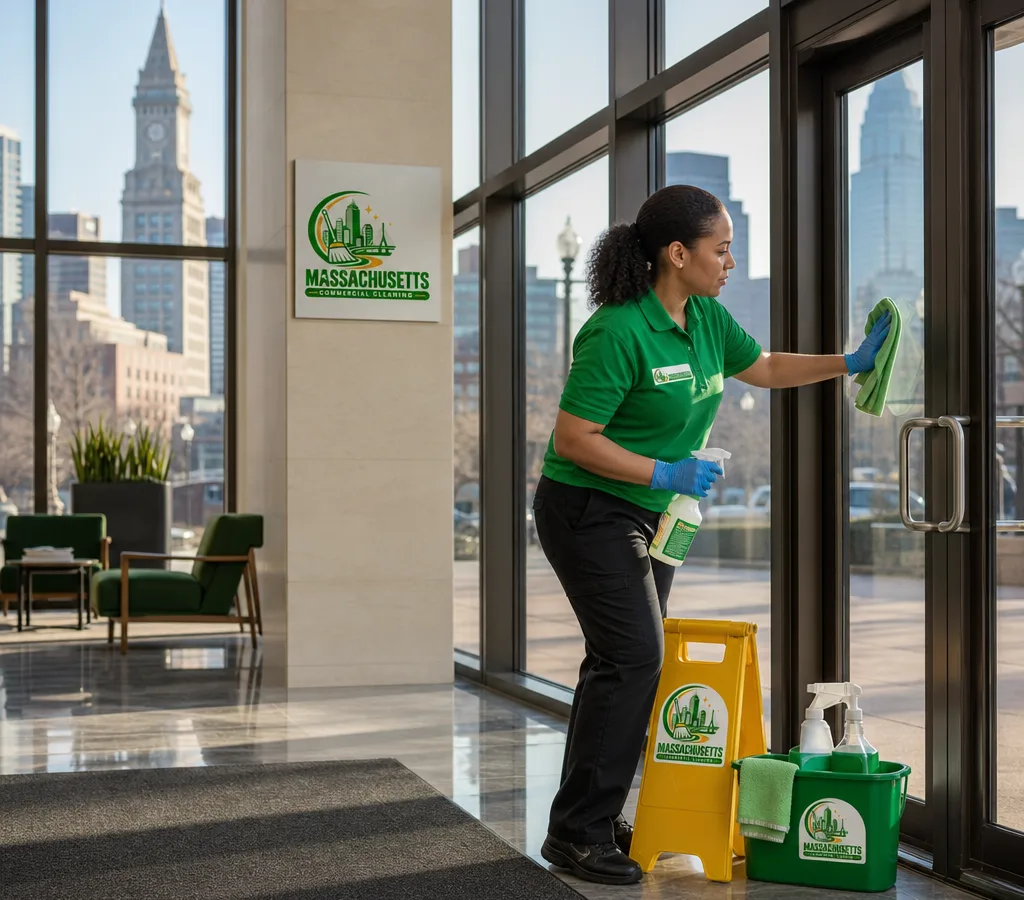
We turn your workspace priorities, operating hours, and building requirements into a documented cleaning routine.
During the walkthrough, the facility contact points out entrances, receiving points, office paths, storage lanes, restrooms, and break areas. That route shows where cleaning needs to begin and where it should end.
Office rooms, accessible storage, employee areas, and active work zones are reviewed as different environments. The plan records the tasks and access rules that apply to each part of the property.
The facility identifies when work can happen, where supplies can be brought in, and what areas remain active. Those details determine the order of service before a recurring schedule is established.
Each recurring visit follows the agreed areas and priorities, making it easier to check whether the cleaning routine still fits the facility's operations as room use or traffic changes.
Published recurring commercial cleaning figures are about $0.12 to $0.35 per square foot. Small offices are commonly around $300 to $900 per month, and larger facilities are commonly around $1,500 to $6,000+ per month. A walkthrough is still needed to confirm what applies to a particular facility.
Office coverage, accessible storage or receiving areas, restroom volume, floor conditions, waste handling, entry requirements, and the chosen cleaning window all shape a Lowell recurring quote. Massachusetts Commercial Cleaning confirms the final price after the walkthrough and written scope are complete.
They can, as long as the written scope identifies the tasks, boundaries, and access conditions for each area. Office rooms may need a different service window than accessible storage or receiving space. Separating those details lets one recurring plan follow the needs of the entire facility without blurring responsibilities.
A review of the dock door, accessible floor paths, nearby waste points, and delivery activity sets the receiving-area tasks. Those areas can be scheduled around deliveries so the routine supports the facility rather than conflicting with material movement.
The facility contact identifies operating hours, restricted sections, equipment boundaries, and the access rules for each work area. Those instructions guide timing and route selection. Cleaning is planned for the areas and windows that have been approved rather than relying on a generic pattern for the building.
They often benefit from one because counters, sinks, tables, appliance exteriors, trash, and floor residue are different from the work in offices or storage areas. Listing those tasks separately gives the room a clear level of attention based on how employees actually use it.
The final price reflects the rooms included, accessible square footage, floor conditions, restroom and breakroom use, waste needs, access requirements, and the recurring service window. Looking at the dock-side route, employee rooms, office coverage, and approved work zones produces the written scope before the price is confirmed.
Yes. If deliveries, room use, staffing, or access procedures change, the scope can be revised to reflect the new route and priorities. Keeping that document current helps the facility and the cleaning crew work from the same instructions on every visit.
Tell us where people and materials move through the property, which rooms need recurring attention, and when service can take place. A facility review will document the working scope and establish recurring pricing after the walkthrough.
Request a quote
Send the details and we will follow up to arrange a walkthrough and a written scope.