✓
Storefront entrances
Doors, glass, handles, mats, nearby floors, and accessible display-adjacent surfaces can be included around the business hours you set. These are the details customers encounter before they reach the service counter.
Serving Boston, Massachusetts & surrounding areas
Mon–Fri 8am–6pm · Sat 9am–2pm
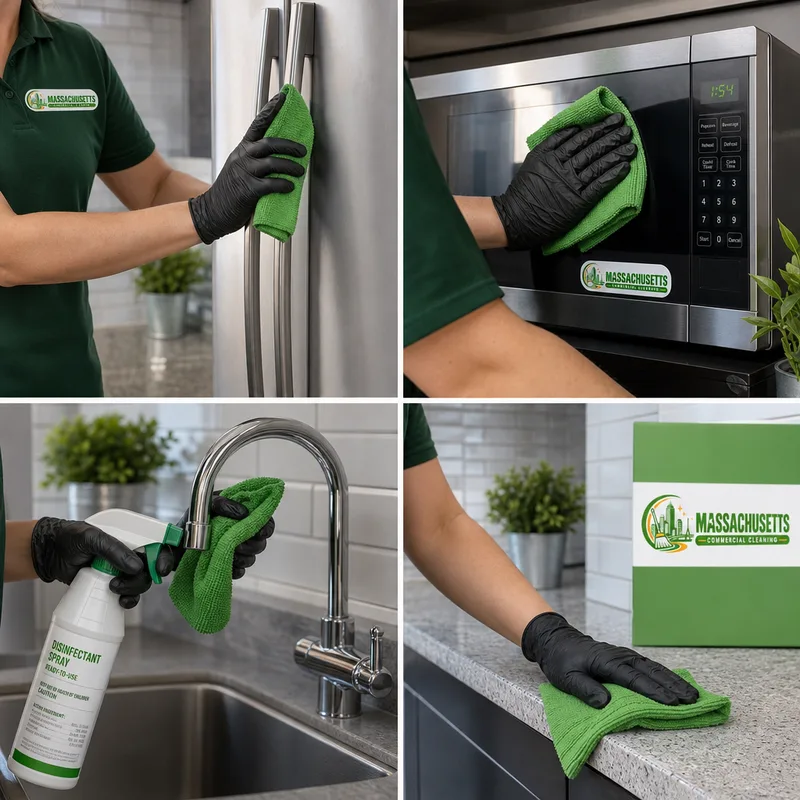
When a property combines storefront activity, staff workrooms, and shared building spaces, the routine must keep each area's needs visible. Massachusetts Commercial Cleaning defines commercial service by room use, traffic, and approved access.
A customer-facing entrance can look completely different from the staff rooms behind it, even within the same commercial property. Floors near the door show tracked-in debris, while counters, break spaces, and employee facilities collect the results of a full workday. Treating them as one generic room leaves gaps.
Lynn commercial properties may include storefront areas, professional rooms, internal offices, shared corridors, and back-of-property support space. Cleaning works better when the property is divided by who uses each room, when it is accessible, and which conditions are most visible there.
Massachusetts Commercial Cleaning works from Boston for commercial properties. The initial review follows the public entrance, indoor transitions, shared rooms, staff areas, approved entry route, and service timing. That review produces a recurring scope that reflects the property as it is used.
Doors, glass, handles, mats, nearby floors, and accessible display-adjacent surfaces can be included around the business hours you set. These are the details customers encounter before they reach the service counter.
Floors between the entrance, customer areas, restrooms, and shared corridors carry daily traffic. A task list can follow those routes so debris and visible wear are addressed where they appear first.
Common corridors, stairs, accessible lobbies, and shared restrooms can be listed separately from tenant spaces. Their routine follows the building's access rules and the traffic created by several occupants.
Employee rooms can receive a defined list for accessible work surfaces, waste, counters, doors, and floors. The building contact establishes where entry is allowed and what remains outside the service area.
Counters, tables, sinks, appliance exteriors, trash, and floor residue can be addressed in employee break spaces. Scheduling is set around the hours those rooms are available for cleaning.
Back doors, internal hallways, storage approaches, and staff routes often carry dirt into the property. Including those transitions supports the appearance of both public and internal rooms.
Most offices want a core routine that keeps the space presentable daily, plus deeper tasks scheduled weekly or monthly. Your scope can be built around your suite size, the number of restrooms, and how heavily kitchens and conference rooms are used.
Common items in a Boston office cleaning scope include:
For multi-tenant buildings around 263 Summer St and similar commercial corridors, we also plan for practical constraints like where waste can be staged, what entrances are allowed after hours, and how deliveries and access are handled by property management.
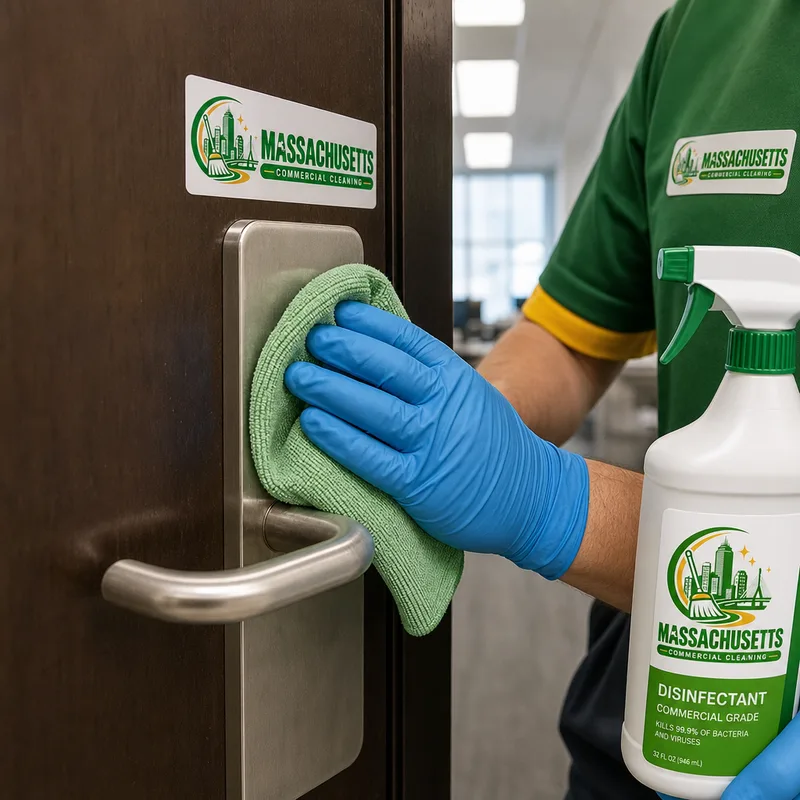
We turn your workspace priorities, operating hours, and building requirements into a documented cleaning routine.
Entry details, storefront floors, customer areas, shared corridors, and public restrooms are reviewed for traffic, surfaces, and the visible conditions the business wants maintained.
The property contact identifies staff workrooms, offices, break rooms, storage approaches, and any restricted areas. Those rooms are assigned approved access and their own cleaning priorities.
Keys, codes, alarms, building-entry rules, waste points, and closeout steps are collected before the recurring schedule begins. This avoids treating access as an afterthought once service is underway.
When customer traffic, tenant arrangements, staff space, or hours change, the room list can be updated. The recurring routine continues to follow how the property is actually being used.
About $0.12 to $0.35 per square foot is the published range for recurring commercial cleaning. Within that range, a small office is around $300 to $900 per month and a larger facility is around $1,500 to $6,000+ per month. The final recurring amount is established after a walkthrough of the property.
Storefront visibility, shared building rooms, staff areas, public restroom traffic, entry-floor condition, access rules, and scheduled service hours all affect a Lynn commercial cleaning quote. Reviewing each zone lets the monthly price correspond to the rooms and tasks that are actually included.
Yes. The scope can place customer areas, staff rooms, and any shared facilities in one recurring plan while giving each room its own tasks and access instructions. Visitor rooms are separated from employee-only space during the site review, so neither side of the property is left vague.
Entry coverage can include door glass, handles, mats, floor edges, nearby waste, accessible surfaces, and the traffic route leading into the business. Entrance layout and business hours determine the final list, which then becomes part of the recurring task plan for that property.
Common corridors and shared rooms are used by several people and often follow building-level access rules. Tenant rooms have their own authorization and schedules. Listing those areas separately helps the cleaning plan account for both kinds of space without assuming the same conditions or entry rights.
The schedule is arranged around the window the property authorizes, along with building entry, key or code instructions, alarm procedures, and closing requirements. That preparation lets the work take place without asking customer-facing areas to be available during business hours.
Counters, tables, sinks, appliance exteriors, trash, accessible touchpoints, and floors are common priorities because food, drink, and daily use leave a different kind of buildup than the public part of the property. The site review defines what is included for the room.
The document lists the rooms, tasks, access procedure, service window, and closeout expectations that were agreed during the property review. Keeping those decisions in writing gives the business a clear reference for recurring service and makes later adjustments easier to define.
Identify the customer route, shared building rooms, staff spaces, and access instructions that shape the property. Those property details will become a recurring scope and established pricing after the walkthrough.
Request a quote
Send the details and we will follow up to arrange a walkthrough and a written scope.