✓
Main entries
Entry doors, surrounding glass, mats, floors, and accessible touchpoints shape the condition visitors see first. These transition areas can be scheduled around the hours the building remains open.
Serving Boston, Massachusetts & surrounding areas
Mon–Fri 8am–6pm · Sat 9am–2pm
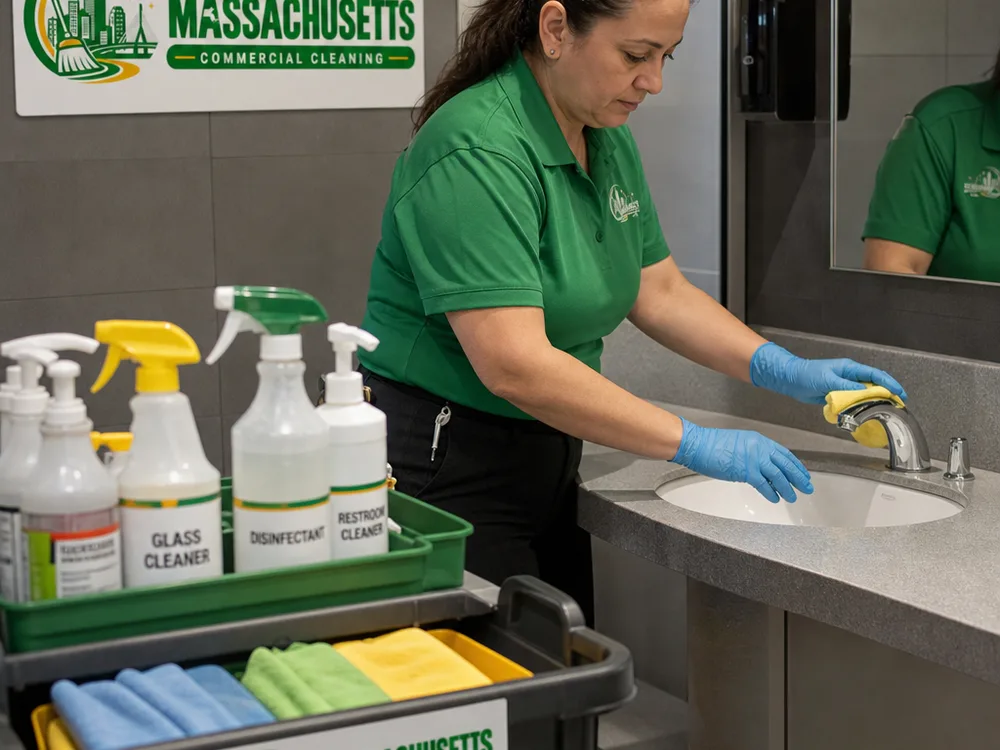
Shared buildings need a cleaning routine that respects several tenants, separate schedules, and common areas that cannot be left to chance. That approach gives the recurring routine a clear structure before any visit begins.
In a multi-tenant commercial property, the first cleaning decision is often not the product or task. It is deciding which spaces belong to the building, which belong to a tenant, and when each can be reached without interrupting the people who use it. That distinction keeps recurring work clear.
Cambridge facilities can combine office suites, ground-floor commercial space, reception areas, restrooms, corridors, and small shared rooms under one roof. Each area sees traffic differently. A useful plan gives visible common spaces their own priorities instead of treating the entire property as one open office.
Service reaches shared commercial facilities from the Boston address. On a shared floor, the review follows corridors, common restrooms, suite doors, entry steps, tenant-hour limits, and key or alarm instructions before a recurring visit is scheduled.
Entry doors, surrounding glass, mats, floors, and accessible touchpoints shape the condition visitors see first. These transition areas can be scheduled around the hours the building remains open.
Hallways collect traffic from more than one suite. Floor debris, wall marks, accessible ledges, and door touchpoints can be assigned their own recurring tasks rather than left between tenant scopes.
A shared-floor restroom plan covers door touchpoints, sink counters, mirrors, dispensers, waste points, floor edges, and partitions. The scope identifies facilities used by several businesses and their access hours.
A reception space may serve one occupant or several. Seating, reachable surfaces, interior glass, trash, and floors can be detailed according to the room's role and the building's access rules.
Shared kitchenettes and break rooms can show spills, trash volume, and floor residue quickly. Listing the counters, sinks, appliance exteriors, and waste points avoids vague expectations.
Occupied suites receive only the coverage and timing agreed with the property contact or tenant. Desk areas, meeting rooms, and private offices are included by written direction, not assumption.
Most offices want a core routine that keeps the space presentable daily, plus deeper tasks scheduled weekly or monthly. Your scope can be built around your suite size, the number of restrooms, and how heavily kitchens and conference rooms are used.
Common items in a Boston office cleaning scope include:
For multi-tenant buildings around 263 Summer St and similar commercial corridors, we also plan for practical constraints like where waste can be staged, what entrances are allowed after hours, and how deliveries and access are handled by property management.
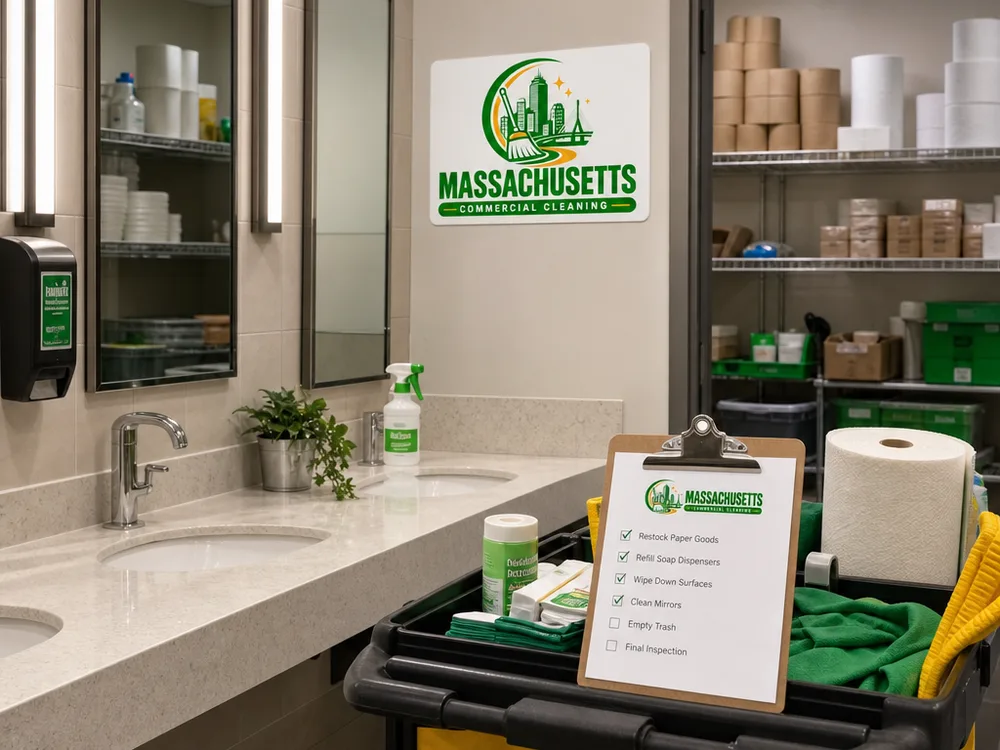
We turn your workspace priorities, operating hours, and building requirements into a documented cleaning routine.
Lobbies, corridors, restrooms, and other common spaces are separated from tenant-controlled rooms during the site review. Each area is noted with the condition, tasks, and access approval it needs.
A property contact provides the entry route, key or code instructions, alarm process, and any restrictions around occupied suites. These details are settled before the first scheduled visit.
The route is organized around when rooms are available and which areas need to look ready first. Common spaces, shared facilities, and tenant areas can follow different timing within one plan.
After service begins, room use or tenant arrangements can be reflected in the written plan. Keeping the scope current gives everyone the same reference for recurring work.
Published recurring commercial guidance runs about $0.12 to $0.35 per square foot. A small office is often around $300 to $900 per month, while a larger facility is often around $1,500 to $6,000+ per month. Those figures are a starting point, not a substitute for seeing the property.
In a multi-tenant setting, the cost turns on the rooms included, how common areas and suites are divided, restroom use, floor conditions, access procedures, and the chosen service window. Reviewing the shared corridors, suite access, and room list establishes the recurring checklist and final price before scheduling.
Yes, provided the scope distinguishes building-managed areas from rooms that need tenant approval. Entries, corridors, shared restrooms, and lobbies can be listed alongside agreed suite tasks. The walkthrough records who authorizes access and what each room needs, so the plan is clear for everyone involved.
The property contact or authorized tenant identifies the approved entry procedure before service begins. That can include key handling, access codes, alarm steps, lockup expectations, and a contact for questions. Recording those details in advance keeps the crew from relying on assumptions at an occupied property.
Frequency follows use. Main entries, shared restrooms, corridors, reception areas, and break spaces often need a more regular routine because several people pass through them. Shared restrooms, corridors, entries, and reception areas are then separated from private or lower-traffic spaces that may need a different cadence.
Service timing is arranged around the access windows the property or tenant authorizes. The plan can account for occupied suites, building closing steps, shared-space availability, and the rooms that need to remain open. Clear timing instructions are part of setting up a predictable recurring visit.
A walkthrough shows how the property is divided, which rooms are common, where traffic concentrates, and who controls access to each suite. It also allows the cleaning tasks to be tied to actual room conditions rather than a generic office checklist that overlooks shared responsibilities.
The written scope can be updated when access windows, room use, or tenant arrangements change. Updating the plan gives the crew a current route and task list, while the property contact retains a clear record of which areas are included in the recurring service.
Start with the rooms your property manages, the suites that need approved access, and the hours when service can happen. A shared-floor review will set the written recurring scope and confirmed pricing after the walkthrough.
Request a quote
Send the details and we will follow up to arrange a walkthrough and a written scope.